
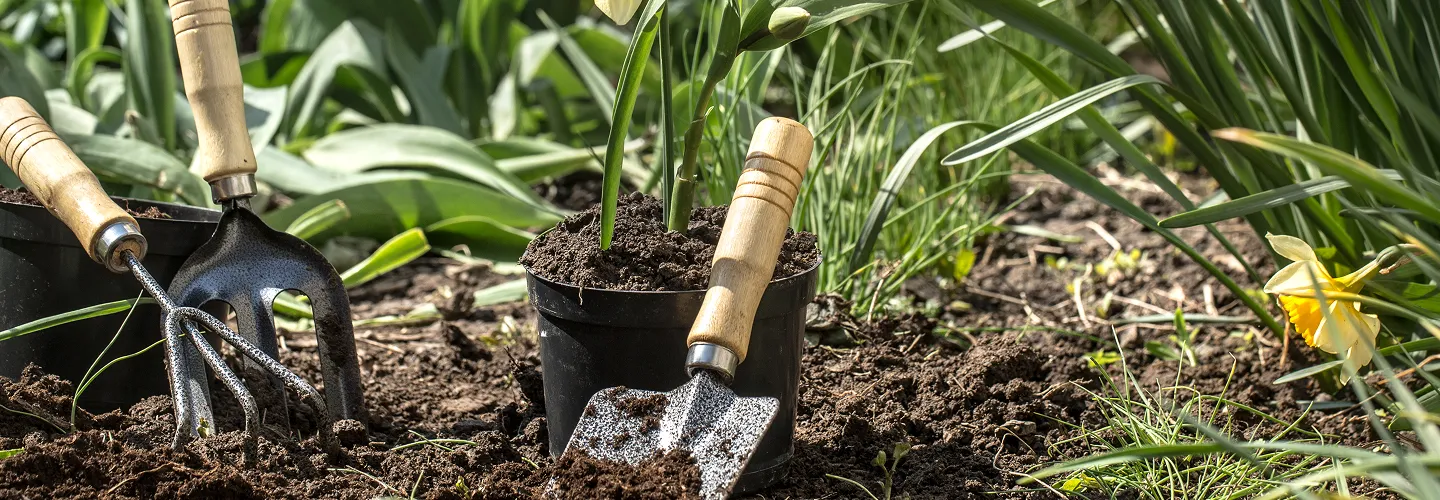
Deer Valley Green Waste Disposal Services
Choose our Green Waste Disposal for reliable, environmentally responsible service that keeps your property clean and supports a healthier planet—experience hassle-free pickups and sustainable practices you can trust.
Get a Free QuoteOur Deer Valley Landscaping & Yard Care Services
When to Schedule Green Waste Disposal in Deer Valley, Arizona – Seasonal Guide
In Deer Valley, Arizona, the timing of green waste disposal is closely tied to our unique Sonoran Desert climate and the specific needs of neighborhoods like Adobe Highlands, Norterra, and the areas surrounding Deer Valley Park. The best periods for green waste removal are typically late winter through early spring and again in late fall, when temperatures are milder and plant growth cycles slow down. Scheduling during these windows helps homeowners manage yard debris efficiently, especially after seasonal pruning or monsoon storms.
Local environmental factors play a significant role in determining the optimal schedule. For example, frost dates in Deer Valley usually occur between late December and early February, making late winter an ideal time to clear away dead branches and prepare for new growth. Drought risk is another consideration, as prolonged dry spells can increase the accumulation of dry, flammable material—especially in shaded lots near the Skunk Creek Linear Park or properties with dense mesquite and palo verde trees. For more information on local guidelines and best practices, visit the Sudbury municipal resource.
Local Factors to Consider for Green Waste Disposal in Deer Valley
- Tree density and types (e.g., mesquite, palo verde, and desert willow)
- Proximity to washes, parks, or natural preserves
- Seasonal precipitation and monsoon activity
- Soil type and drainage (sandy vs. clay-heavy areas)
- Municipal restrictions and scheduled pickup dates
- Terrain and accessibility for disposal vehicles
- Shade coverage and microclimates within your property
Benefits of Green Waste Disposal in Deer Valley

Eco-Friendly Landscaping Solutions
Efficient Green Waste Removal
Promotes Healthy Plant Growth
Reduces Landfill Waste
Supports Local Sustainability
Enhances Curb Appeal
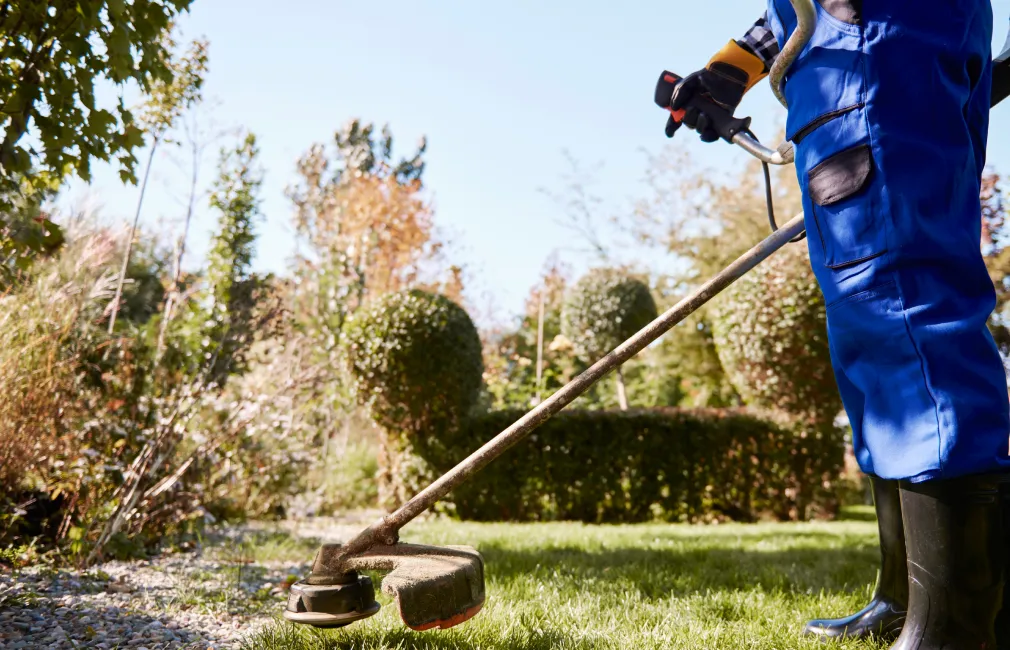
Deer Valley Green Waste Disposal Types

Grass Clippings
-
Tree Branches
-
Shrub Trimmings
-
Leaves
-
Weeds
-
Garden Plants
-
Wood Chips
Our Green Waste Disposal Process
Collection of Green Waste
Sorting and Separation
Transport to Disposal Facility
Eco-Friendly Processing
Why Choose Deer Valley Landscape Services
-
Deer Valley Homeowners Trust Us
-
Comprehensive Lawn Maintenance
-
Reliable Seasonal Cleanup
-
Efficient Irrigation Solutions
-
Competitive Pricing
-
Professional Team
-
Satisfaction Guarantee
Coordinating Green Waste Disposal Through Deer Valley's Municipal Collection Programs
Deer Valley is a community within the City of Phoenix, and all green waste disposal operations fall under Phoenix's municipal solid waste framework. Residents and property managers should verify current bulk trash collection schedules and accepted organic materials—such as tree trimmings, shrub clippings, grass cuttings, and palm fronds—through the city's Public Works Department, which administers curbside green waste pickup and coordinates transfer station operations. Commercial properties and large-scale landscape projects may be subject to separate hauling and disposal requirements that differ from residential curbside rules.
- Confirm your assigned bulk collection period before placing green waste at the curb
- Separate green organic material from general refuse, construction debris, and household hazardous waste
- Verify bundling and container size limits through the city rather than relying on general assumptions
- Commercial landscape contractors generating large volumes should confirm disposal routing with the city directly
Phoenix Public Works Department
Official Website: Phoenix AZ Public Works
Property managers overseeing multiple parcels in Deer Valley should also be aware that the Phoenix AZ Environmental Quality & Sustainability office supports pollution prevention programs relevant to organic waste handling and diversion from landfills.
How Deer Valley's Low-Desert Heat and Soils Affect Green Waste Accumulation
Deer Valley sits in the Phoenix metro low desert, classified within USDA Hardiness Zone 10a, where extreme summer temperatures routinely exceed 110°F and drive rapid cycles of vegetation growth and dieback. These conditions directly influence the volume and timing of green waste generation throughout the year. Soils in the area tend toward alkaline sandy loam and caliche-bearing profiles, as documented through the USDA Web Soil Survey, which affects how quickly organic material desiccates after cutting.
- Monsoon season (July–September) triggers explosive weed growth and storm-related branch debris, producing the heaviest green waste loads of the year
- Post-monsoon cleanup often involves fallen mesquite and palo verde limbs, palm frond drops, and accumulated leaf litter around retention basins
- Winter overseeding of bermudagrass lawns with ryegrass generates clipping volume during cooler months, while bermudagrass scalping in spring produces a concentrated disposal need
- Reflected heat from block walls and concrete hardscape accelerates plant stress and deadwood accumulation along property edges
Irrigation-dependent landscapes common in Deer Valley subdivisions sustain year-round organic output, unlike rain-fed regions where green waste is seasonal.
Stormwater Compliance and Disposal Regulations Governing Deer Valley Properties
Green waste left in streets, washes, or near storm drain inlets can contribute to water quality violations under the Clean Water Act and Phoenix's Phase II Municipal Separate Storm Sewer System (MS4) permit obligations. The Arizona DEQ stormwater program requires municipalities like Phoenix to prevent pollutants—including decomposing organic debris—from entering the storm drain system. Property owners and landscape contractors in Deer Valley share responsibility for keeping green waste away from curb inlets, drainage channels, and flood-control infrastructure.
- Do not place green waste in or adjacent to washes, arroyos, or retention basins
- Avoid stockpiling clippings or brush where monsoon runoff could carry material into the street drainage network
- Landscape contractors operating commercially must comply with Arizona DEQ MS4 requirements and may need to document best management practices for debris containment on job sites
- Illegal dumping of green waste on vacant lots or in desert open space is subject to city code enforcement action
Phoenix Environmental Quality & Sustainability
Official Website: Phoenix AZ Environmental Quality & Sustainability
Phoenix City Engineer Department
Official Website: Phoenix AZ City Engineer Department
Residents near flood-control channels or engineered drainage corridors should take particular care that green waste staging areas do not obstruct flow paths, especially ahead of monsoon events.
Timing and Methods for Green Waste Disposal in Deer Valley's Climate
Effective green waste disposal in Deer Valley requires alignment with the area's distinct seasonal cycles and municipal scheduling. Professional standards emphasize prompt removal of cut vegetation to prevent fire risk, pest harborage, and stormwater contamination.
- Spring (March–May): Bermudagrass scalping and pre-summer pruning generate significant volumes; schedule disposal promptly to avoid dried material becoming a fire hazard during rising temperatures
- Summer (June–August): Limit green waste staging time outdoors, as extreme heat rapidly desiccates organic material, increasing wind-scatter risk; coordinate disposal with assigned bulk collection windows
- Monsoon season (July–September): Prioritize post-storm branch and debris removal within days to prevent wash and inlet blockage; the National Weather Service Phoenix office provides storm outlooks useful for planning cleanup timing
- Fall and winter (October–February): Overseeded ryegrass clippings and deciduous leaf drop from species like ash and mulberry require regular collection to prevent mat formation over turf and hardscape
Bundling branches with natural-fiber twine and using rigid containers rather than plastic bags—where consistent with city guidelines—supports efficient curbside pickup and reduces contamination at composting facilities. Verify current bundling and size requirements with the city before each collection period.
What Neighborhoods Do We Serve Throughout Deer Valley, AZ?
- Deer Valley Park area — Mature residential lots near the park generate consistent tree and shrub waste from established mesquite, palo verde, and ornamental plantings requiring regular disposal coordination.
- Norterra — This master-planned community features HOA-maintained common areas alongside individual lots where green waste from desert-adapted landscaping and seasonal color beds accumulates throughout the year.
- Tramonto — Hillside and sloped lots in Tramonto present access challenges for green waste hauling and require attention to wash-adjacent staging to prevent monsoon runoff contamination.
- Sonoran Foothills — Properties bordering natural desert open space produce green waste from both maintained landscapes and native vegetation management along preserve edges.
- Union Hills corridor — Established subdivisions along Union Hills Drive include older irrigated lots with large shade trees that generate substantial leaf litter and branch debris seasonally.
- Happy Valley corridor — Newer subdivisions in this area feature compact lots with desert-front landscaping, producing lower but steady volumes of trimming waste from drought-tolerant shrubs and groundcovers.