
Deer Valley Flower Planting Services
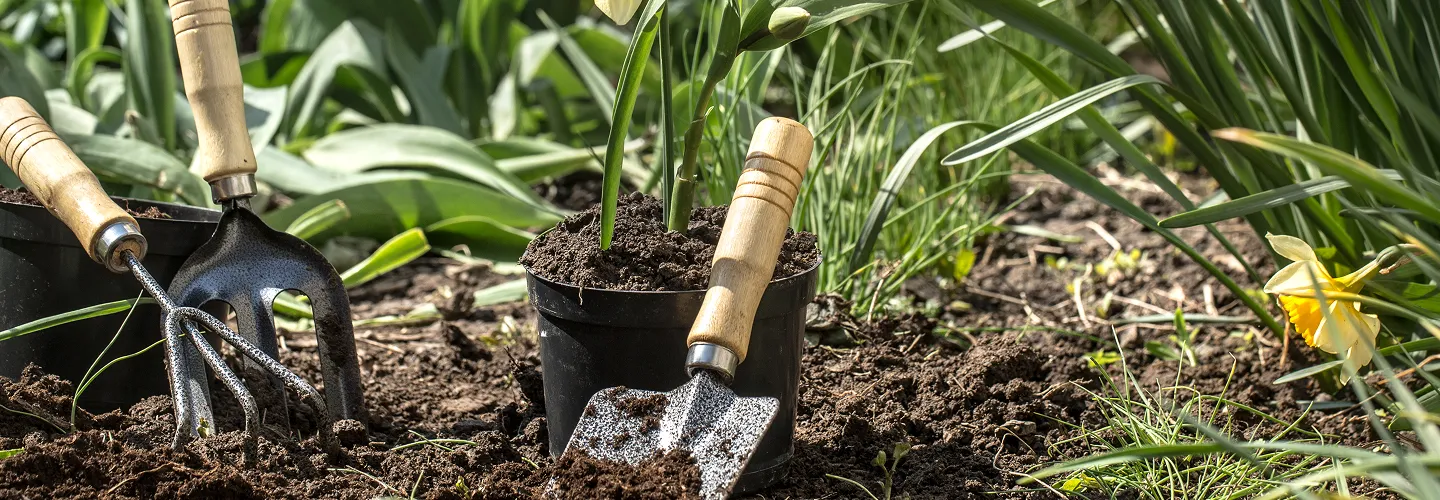
Choose our flower planting services for vibrant, healthy blooms that enhance your home's curb appeal and create a welcoming outdoor space, all handled by experienced professionals who care about your satisfaction.
Get a Free QuoteOur Deer Valley Landscaping & Yard Care Services
When to Schedule Flower Planting in Deer Valley, Arizona – Seasonal Guide
Flower planting in Deer Valley, Arizona, is best scheduled with careful attention to the region’s unique climate and landscape. The optimal planting windows are typically in early spring (late February to early April) and again in the fall (late September to early November), when temperatures are milder and the risk of frost has passed. Deer Valley’s proximity to the Sonoran Desert means summers can be intensely hot and dry, making mid-summer planting risky for most flower varieties. Neighborhoods near Adobe Dam Regional Park and the Deer Valley Airport often experience microclimates, with slightly cooler temperatures and more shade from mature trees, which can influence planting schedules.
Local environmental factors such as the area’s alkaline, sandy soils, and the potential for drought conditions require thoughtful plant selection and timing. Frost dates in Deer Valley generally fall between late November and early February, so it’s important to avoid planting tender annuals before the last frost. Additionally, municipal guidelines and water restrictions, which can be found on the City of Phoenix website, may impact when and how you can water new plantings. Understanding these local nuances ensures your flower beds thrive throughout the year.
Local Factors to Consider for Flower Planting in Deer Valley
- Tree density and available shade, especially in neighborhoods like Norterra and Stetson Valley
- Soil composition and drainage, which can vary near Skunk Creek and residential developments
- Average precipitation and drought risk during the summer months
- Frost dates and temperature swings in late winter and early spring
- Municipal watering restrictions and HOA guidelines
- Terrain variations, such as slopes or low-lying areas prone to runoff
Benefits of Flower Planting in Deer Valley
Expert Landscaping Knowledge
Customized Plant Selection
Seasonal Color Enhancement
Low-Maintenance Solutions
Eco-Friendly Practices
Increased Property Value
Deer Valley Flower Planting Types

Perennial Flower Beds
Long-lasting blooms that return year after year for vibrant landscapes.
-
Annual Flower Displays
Seasonal color with a wide variety of annual flowers for dynamic garden beds.
-
Native Wildflower Gardens
Low-maintenance gardens featuring flowers native to the Deer Valley region.
-
Pollinator-Friendly Plantings
Flower beds designed to attract bees, butterflies, and other pollinators.
-
Shade Garden Flowers
Specialized plantings for shaded areas using shade-tolerant flowering plants.
-
Drought-Tolerant Flower Beds
Water-wise flower selections ideal for sustainable Deer Valley landscaping.
-
Container Flower Arrangements
Versatile and movable flower displays in decorative containers for patios and entryways.
Our Flower Planting Process
Site Evaluation
Soil Preparation
Plant Selection
Careful Planting
Watering and Mulching
Why Choose Deer Valley Landscape Services
-
Deer Valley Homeowners Trust Us
-
Comprehensive Lawn Maintenance
-
Reliable Seasonal Cleanup
-
Efficient Irrigation Solutions
-
Competitive Pricing
-
Professional Team
-
Satisfaction Guarantee
Coordinating Flower Planting Projects with Deer Valley's Municipal Programs
Deer Valley is a community within the City of Phoenix, and all flower planting projects on residential and commercial properties fall under Phoenix's municipal framework. Property owners planning flower installations adjacent to public rights-of-way, medians, or parkway strips should coordinate with the city to confirm any landscape standards that apply to street-facing frontage. The Parks and Recreation Department maintains guidance on plant species used in public-facing landscapes, which can inform compatible selections for adjacent private parcels. Residents in HOA-governed subdivisions should also verify community design guidelines before selecting flower varieties or altering bed layouts visible from common areas.
- Confirm whether flower bed modifications near sidewalks or rights-of-way require coordination with city departments
- Review HOA architectural guidelines for approved plant palettes and bed dimensions before beginning work
- Consult the city's water conservation resources through Arizona Department of Water Resources - Landscaping for irrigation-efficient planting guidance
Phoenix Parks & Recreation Department
Official Website: Phoenix AZ Parks & Recreation
How Deer Valley's Low-Desert Heat and Alkaline Soils Affect Flower Planting
Deer Valley sits within the Phoenix metro low-desert environment, classified under USDA Hardiness Zone 9b to 10a. This designation shapes every aspect of flower planting, from species selection to soil preparation and irrigation design. Soils throughout the area tend to be alkaline, often exceeding a pH of 8.0, with caliche layers or compacted subdivision fill present in many residential lots. These conditions restrict root penetration and limit nutrient availability for flowering plants unless soil amendments are incorporated during bed preparation.
- Extreme summer heat: Surface temperatures on exposed desert soils and adjacent hardscape can exceed 150°F, causing transplant shock and rapid moisture loss in newly installed flowers
- Alkaline and calcareous soils: Iron chlorosis is common in flowering annuals and perennials planted without chelated iron supplements or sulfur-based amendments
- Caliche obstruction: Hardpan layers may require mechanical breaking or raised bed construction to allow adequate root development
- Reflected heat: Block walls, concrete driveways, and decomposed granite surfaces radiate heat onto flower beds, intensifying stress on south- and west-facing plantings
- Monsoon runoff: Intense summer storms can wash out newly planted beds, erode mulch, and deposit sediment into adjacent drainage channels
Navigating Deer Valley's Regulatory Requirements for Flower Planting Compliance
Flower planting in Deer Valley generally does not require a formal permit for standard residential bed installation. However, projects that involve grading changes, modifications to drainage flow, or work near washes and flood-control channels may trigger review by the City of Phoenix. Properties adjacent to retention basins or designated floodplain areas should verify whether proposed planting affects stormwater conveyance. The Arizona DEQ stormwater program requires that landscaping activities avoid introducing soil, mulch, or fertilizer into the municipal storm sewer system, consistent with Clean Water Act provisions.
- Soil amendments and fertilizers must not be applied in quantities or methods that allow runoff into storm drains, washes, or retention basins
- Properties near engineered drainage corridors should confirm planting setbacks with the city engineering office
- Any use of chemical weed pre-treatment in flower beds requires application by individuals holding valid credentials through the Arizona Department of Agriculture when performed commercially
- Noxious or invasive species listed by the Arizona Department of Agriculture must not be introduced into flower beds
Phoenix City Engineer Department
Official Website: Phoenix AZ City Engineer Department
Phoenix Environmental Quality & Sustainability
Official Website: Phoenix AZ Environmental Quality & Sustainability
Timing Flower Planting Around Deer Valley's Monsoon Season and Frost Windows
Professional flower planting in the low desert follows two primary installation windows. The fall window, typically from mid-October through November, allows cool-season annuals such as petunias, snapdragons, pansies, and stock to establish before the brief frost risk period in December and January. The spring window, from late February through early April, suits warm-season and desert-adapted flowers including vinca, lantana, desert marigold, and angelita daisy before summer heat intensifies. Planting during the monsoon season (June through September) is generally avoided due to soil saturation, washout risk, and extreme heat stress on transplants.
- Soil preparation: Amend beds with compost and sulfur to lower pH and improve water retention before planting; verify emitter placement covers the full root zone
- Irrigation scheduling: Newly planted flowers typically require daily watering for the first one to two weeks, transitioning to deeper, less frequent cycles as roots establish
- Mulch application: Organic or rock mulch at appropriate depth helps moderate soil temperature and reduce evaporation, but must be secured against monsoon washout
- Exposure assessment: Select species based on the specific bed orientation—south- and west-facing beds demand the most heat-tolerant varieties, while north- and east-facing beds support a broader palette
What Neighborhoods Do We Serve Throughout Deer Valley, AZ?
- Deer Valley Park area: Established residential lots near the park often feature mature landscaping with irrigated flower beds that benefit from seasonal color rotation and emitter upgrades
- Norterra: Newer subdivision development with compacted fill soils and extensive hardscape, requiring thorough soil amendment and careful species selection for reflected-heat exposure
- Happy Valley corridor: Properties along this corridor frequently include larger lots with mixed desert and irrigated zones, where flower planting must account for hydrozoning between native and ornamental areas
- Tramonto: Master-planned community with HOA-regulated landscape standards that typically specify approved plant palettes and bed maintenance expectations for street-facing frontage
- Sonoran Foothills: Lots adjacent to natural desert open space where flower planting should prioritize desert-adapted species to maintain visual continuity and minimize irrigation demand near preserve edges
- Union Hills area: Older residential neighborhoods with established irrigation infrastructure where flower bed renovation often involves replacing aging emitters and correcting soil compaction from years of use